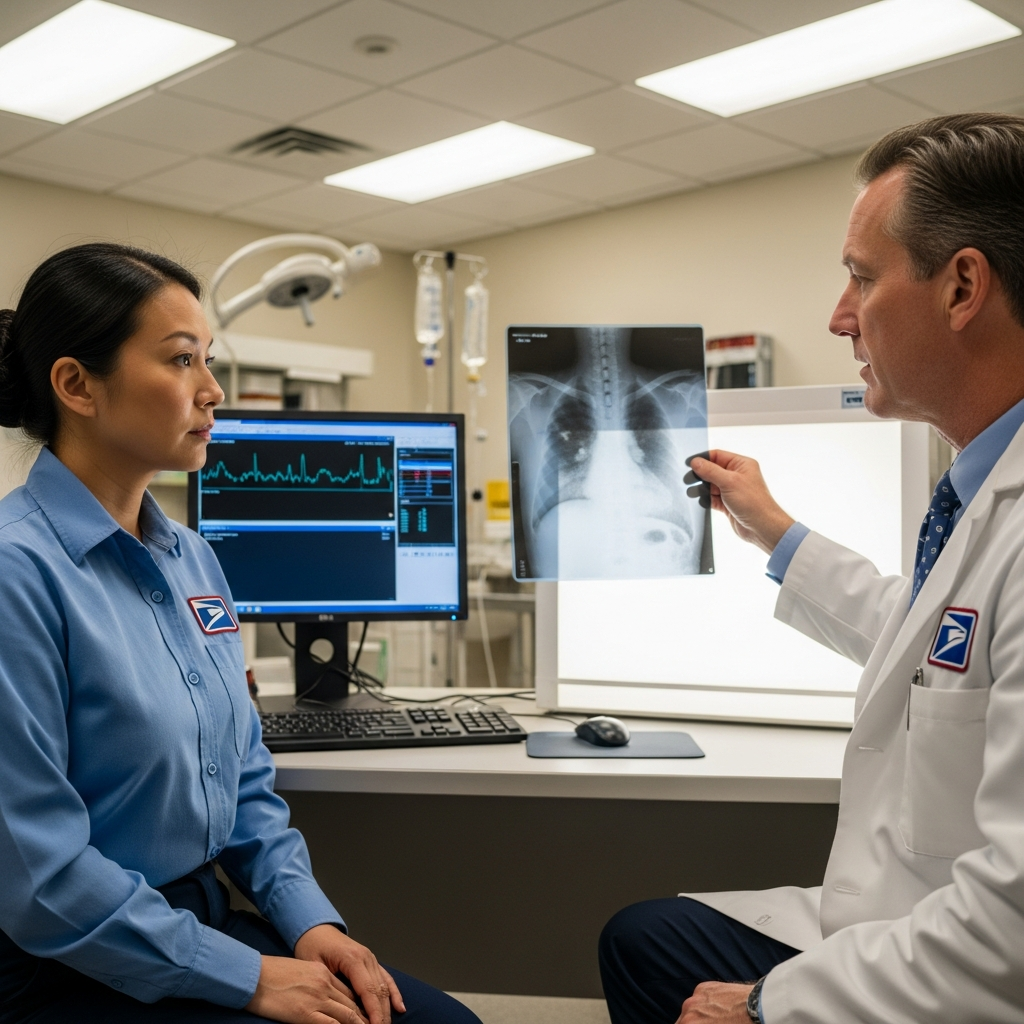
Federal Workers Compensation Clinics Serving OWCP Patients in Overland Park
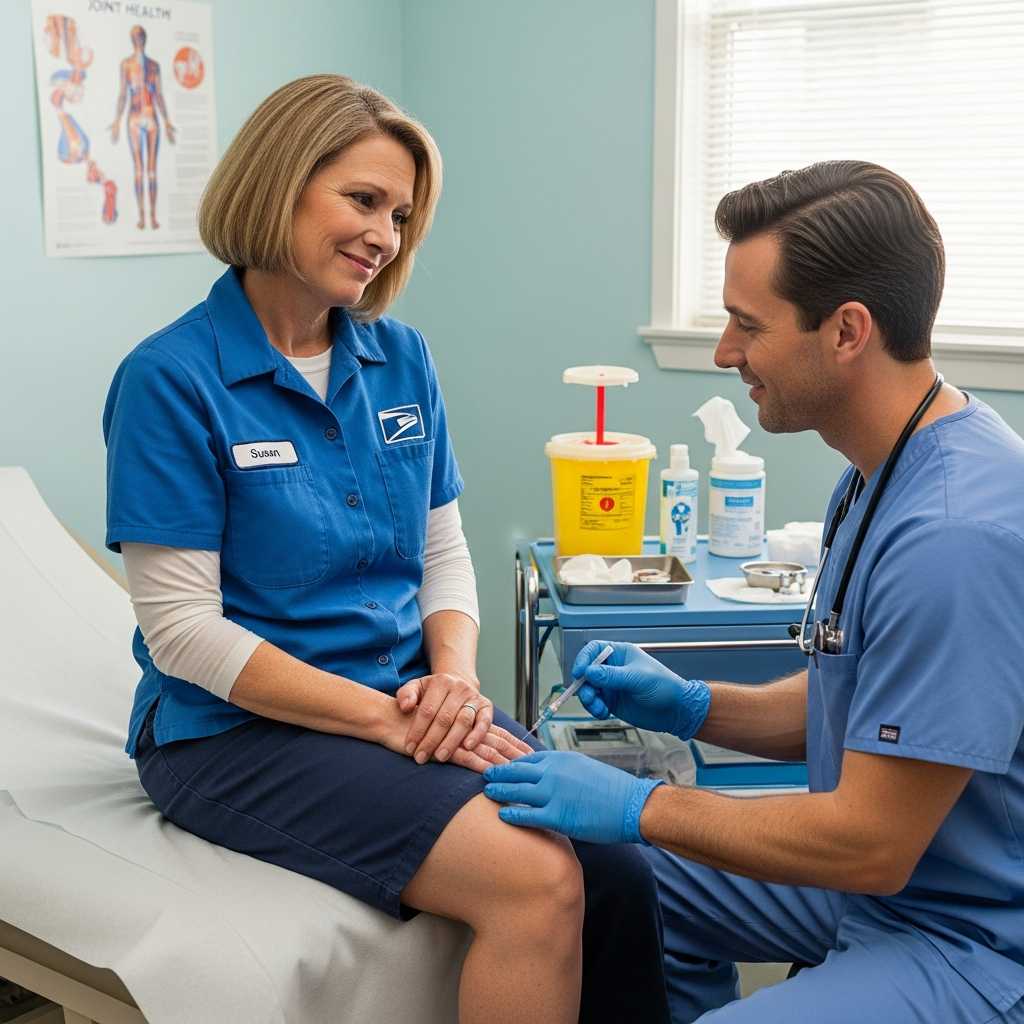
Picture this: You’re a federal employee – maybe you’ve been delivering mail in brutal summer heat, or processing paperwork at a government facility, or working a physically demanding job that most people never think twice about. Then something happens. A slip on a wet floor, a repetitive strain that built up over months, an injury that seemed minor until it wasn’t. And suddenly you’re navigating not just pain and recovery, but a bureaucratic maze that feels specifically designed to exhaust you into giving up.
Sound familiar? You’re not alone. Not even close.
The federal workers’ compensation system – administered through the Office of Workers’ Compensation Programs, or OWCP – is genuinely one of the more confusing corners of the healthcare world. It’s not like filing a regular insurance claim. It’s not like seeing your primary care doctor. It operates on its own rules, its own paperwork requirements, its own billing codes, and frankly… its own language. And if you’re already hurting, trying to decode all of that while managing an injury feels a bit like being handed an IKEA instruction manual when what you actually need is someone to just help you put the furniture together.
That’s where OWCP-authorized clinics come in. And if you’re a federal worker in Overland Park or the surrounding Kansas City area, finding the right one could make an enormous difference – not just in how quickly you get better, but in whether your claim actually gets approved and covered the way it should be.
Why This Isn’t Just About Finding a Doctor
Here’s something a lot of injured federal workers don’t realize until it’s too late: not every medical provider can treat you under OWCP. Your neighbor’s sports medicine clinic might be excellent. Your longtime chiropractor might be someone you trust completely. But if they’re not authorized to bill OWCP, seeing them for your work-related injury could leave you with unexpected out-of-pocket costs, documentation that doesn’t meet federal standards, or a claim that gets kicked back entirely.
That’s a frustrating reality. It’s also a completely fixable one – if you know what to look for.
The clinics that specialize in serving OWCP patients aren’t just familiar with the federal system, they’re built around it. They understand the CA-16 and CA-17 forms. They know how to document treatment in a way that actually satisfies Department of Labor requirements. They communicate with claims examiners, they track authorization numbers, and they do all of this so you can focus on the part that actually matters – getting better and getting back to work.
What Makes Overland Park Worth Paying Attention To
Overland Park has quietly become a really solid hub for specialized medical care in the region. The metro area has grown substantially over the past couple of decades, and with that growth has come a stronger network of clinics equipped to handle complex cases – including federal workers’ compensation. Whether you’re a postal worker, a VA employee, a federal contractor, or anyone else covered under OWCP, there are providers here who know your situation specifically.
Actually, that’s one of the things that surprises people the most – that there’s a meaningful difference between a clinic that *accepts* OWCP and one that *specializes* in it. We’re going to talk about that distinction quite a bit, because it matters more than you’d think.
In this article, you’ll get a clear picture of how the OWCP system actually works in practical terms (without the government-document headache), what to specifically look for when choosing a clinic in the Overland Park area, what kinds of injuries and conditions these clinics typically treat, and how to get your care started without accidentally complicating your claim. There’s also some genuinely useful information about what your rights are as an injured federal employee – rights that, honestly, not everyone knows they have.
The goal here isn’t to overwhelm you with information. It’s to give you the kind of clear, real-talk guidance that you’d get from a friend who happens to know this system inside and out.
Because you’ve already dealt with the injury. You shouldn’t have to fight your way through the system on top of it.
Let’s make this easier.
What OWCP Actually Is (And Why It Confuses Everyone)
Let’s be honest – the Office of Workers’ Compensation Programs sounds like the kind of government agency that exists specifically to make things complicated. And honestly? Sometimes it feels that way. But at its core, OWCP is simply the federal government’s system for making sure its employees get taken care of when they’re hurt on the job. Think of it like a workers’ comp insurance policy, except the employer is Uncle Sam himself.
The OWCP operates under the Department of Labor, and it manages several different compensation programs depending on what kind of federal work you do. Most federal civilian employees fall under the Federal Employees’ Compensation Act – FECA – which has been around since 1916. That’s over a century of bureaucratic evolution, which explains a lot about why the paperwork feels the way it does.
Here’s where it gets a little counterintuitive though. OWCP isn’t just one thing – it’s actually an umbrella covering distinct programs for different worker populations. Federal postal workers, energy employees exposed to radiation, longshore workers… they each have their own track. If you’re a typical federal civilian – think IRS agent, park ranger, federal court employee – you’re almost certainly dealing with the FECA program specifically.
Why Not Just Go to Any Doctor?
This is the question we hear constantly, and it’s completely fair. You’re hurt, you have insurance, there’s a perfectly good clinic down the street. Why does it matter if they “accept OWCP”?
Here’s the thing – OWCP is essentially its own insurance universe. It doesn’t work like your regular health insurance, and it doesn’t work like state workers’ compensation either. It has its own fee schedules, its own billing codes, its own authorization requirements, and its own forms that need to be completed in very specific ways. A provider who tries to bill OWCP like they’d bill Blue Cross is going to hit a wall fast.
It’s a little like trying to use a Canadian driver’s license as your only ID at a U.S. federal building. Technically it’s still a driver’s license. It still proves who you are. But it doesn’t fit the system, and you’re going to have problems.
When a clinic is properly set up to serve OWCP patients, they know how to use the OWCP fee schedule, how to navigate the authorization process for treatments, and – maybe most importantly – how to document your care in a way that actually supports your claim. That last part matters more than most people realize.
The Documentation Thing Is Kind of a Big Deal
Actually, let me pause on that for a second, because this is one of those things that doesn’t become obvious until it causes a problem.
OWCP claims live and die on documentation. Your injury needs to be connected – clearly, explicitly, in medical language – to your federal employment. The treatment you receive needs to be documented as medically necessary and directly related to that work injury. Providers who aren’t familiar with OWCP requirements sometimes write notes that are perfectly fine clinically but leave gaps that the Department of Labor can use to question or deny coverage.
A good OWCP-familiar clinic documents with one eye on your health and one eye on what the claim needs. Not in a manipulative way – just in a thorough, precise way that tells the complete story.
The Overland Park Picture
Overland Park sits in a region with a meaningful federal workforce population. You’ve got people working at federal facilities across the Kansas City metro, employees of agencies with regional offices, postal workers throughout Johnson County… it adds up. And when those workers get hurt, they need somewhere local that actually understands what they’re dealing with.
The challenge – and this is genuinely frustrating – is that not every clinic that technically accepts OWCP patients has deep experience with the program. There’s a difference between a provider who has occasionally billed OWCP and one who has built their practice around understanding federal workers’ unique needs.
Experience with the system matters. Not because the system should be this complicated, but because it is, and you deserve someone in your corner who already knows the terrain.
What to Bring to Your First OWCP Appointment
Don’t show up empty-handed – seriously, this one mistake can delay your entire treatment authorization by weeks. Before you walk through the door, gather your CA-1 or CA-2 form (that’s your federal injury report), your OWCP case number, and any prior medical records related to the injury. If you’ve already seen an emergency room or urgent care, bring those discharge papers too.
Your supervisor’s contact information matters more than most people realize. Clinics serving OWCP patients often need to coordinate return-to-work documentation directly with your federal agency, and having that information upfront saves everyone a phone-tag nightmare.
One thing people consistently forget? Their pharmacy information. OWCP has its own pharmacy network through a third-party billing system called Optum Rx, and getting that set up correctly from day one means you’re not paying out-of-pocket for medications while waiting for authorization to sort itself out.
How OWCP Billing Actually Works (And Why It Matters to You)
Here’s something most patients don’t realize until they’re frustrated and confused: OWCP doesn’t work like your regular federal health insurance. FEHB – your Blue Cross, Aetna, whatever you carry – shouldn’t be billed at all for accepted work injuries. If a clinic accidentally bills the wrong insurer, you can end up with denied claims, collections notices, and a paperwork headache that follows you for months.
When you’re calling around to clinics in Overland Park, ask this specific question: *”Does your billing team have direct experience submitting claims through the OWCP billing portal?”* A yes means they actually know the difference between procedure codes and how to navigate the Department of Labor’s ACS/CNSI system. A vague answer or a long pause? Keep looking.
Also worth knowing – OWCP reimbursement rates are set by the federal fee schedule, which means clinics that accept OWCP patients are already agreeing to those rates. You should never be asked to pay the difference.
Getting Treatment Authorized Without Losing Your Mind
Prior authorization is where a lot of federal workers get stuck. For anything beyond the initial emergency care or first visit, your clinic needs to submit an HCFA form and often a narrative report explaining medical necessity – and that paperwork has to go to your specific OWCP district office.
The Overland Park area falls under the Kansas City OWCP District Office, which handles claims for Kansas and Missouri federal employees. Knowing this matters because timelines, contact numbers, and sometimes even procedure preferences can differ between district offices.
Ask your treating physician to document *everything* – functional limitations, how the injury happened, the specific body parts affected, and the treatment plan going forward. Vague notes like “patient reports back pain” won’t fly. You want language that connects your injury directly to your federal job duties. A good OWCP-experienced provider already knows this, but it doesn’t hurt to ask.
Finding the Right Clinic in Overland Park
Not every clinic that accepts workers’ compensation is set up for *federal* workers’ compensation – those are genuinely different things. State WC and OWCP operate under completely separate systems, and a clinic that handles a ton of construction industry state claims may have zero experience with the federal process.
Look for clinics that specifically mention OWCP, DOL, or “federal employees” on their website or when you call. Physical therapy practices, occupational medicine clinics, and medical weight loss programs that work with federal employees should be able to name their OWCP billing coordinator without hesitation. That’s your green flag.
If your injury involved musculoskeletal issues – which, honestly, covers a huge percentage of federal workplace injuries involving lifting, repetitive motion, or slip-and-falls – and you’re also dealing with weight as a contributing factor to your recovery, know that OWCP can cover medically supervised weight management when it’s tied to your accepted condition. That’s not common knowledge, and it’s worth discussing with your provider if it applies to your situation.
One Last Practical Note
Keep copies of absolutely everything. Every form, every authorization number, every piece of correspondence. OWCP cases can stretch over years, staff at district offices turn over, and claims do occasionally get lost in the system. A simple folder – physical or digital – where you track dates and document numbers could save you an enormous amount of grief down the road. Trust us on this one.
When the Paperwork Feels Like a Second Job
Let’s be honest – the administrative side of OWCP is genuinely hard. It’s not just you. Federal workers who’ve navigated combat deployments, high-stakes careers, and decades of demanding work often say that dealing with OWCP paperwork was one of the most frustrating experiences of their lives. That’s saying something.
The core problem is that the Department of Labor has specific forms for everything – and using the wrong one, or filling out the right one incorrectly, can delay your claim by weeks. The CA-16, CA-17, CA-20… they all serve different purposes, and mixing them up isn’t just inconvenient, it can actually interrupt your treatment. A clinic that understands OWCP billing won’t just hand you a stack of papers and wish you luck. They’ll walk you through what’s needed and why.
What actually helps: Find out upfront whether the clinic has a dedicated OWCP coordinator – not just someone who handles it “sometimes” but a person whose job it is. Ask directly. There’s no shame in it.
The Authorization Maze
Here’s something nobody warns you about. Even after your claim is approved, individual treatments often need their own authorizations. Physical therapy sessions. Specialist referrals. Diagnostic imaging. Each one can require separate approval from your OWCP claims examiner – and those examiners are managing enormous caseloads.
This creates a frustrating pattern where you’re medically ready to move forward with treatment, but you’re sitting in a waiting room of bureaucracy instead. It can feel like the system is working against your recovery. Sometimes it really does slow things down.
The practical workaround? Work with a clinic that submits authorizations proactively and follows up aggressively. The difference between a clinic that sends a request and waits versus one that follows up with phone calls and documentation is often measured in weeks of your life. When you’re in pain, those weeks matter enormously.
Finding Providers Who Actually Accept OWCP
This one trips up a lot of federal workers in the Overland Park area. OWCP operates on a fee schedule that’s separate from standard Medicare or commercial insurance rates, and not every provider accepts it. Some will tell you they do, then surprise you with bills later. Others simply won’t see OWCP patients at all.
It’s worth calling ahead and being very specific: “Do you accept OWCP patients? Do you bill the Department of Labor directly using the OWCP fee schedule?” If there’s any hesitation or vagueness in the answer… keep looking. You deserve a straight answer before you ever walk through the door.
Actually, that reminds me – it’s also worth asking whether they’ve worked with your specific type of claim. Traumatic injury claims and occupational disease claims are handled differently, and a clinic with experience in one may not be as fluent in the other.
When Your Claim Gets Contested
Nobody wants to think about this, but it happens. Claims get denied. Employers dispute the work-relatedness of an injury. Coverage gets questioned mid-treatment. It’s one of the more demoralizing things a person can go through – you’re hurt, you’re trying to heal, and suddenly you’re also fighting for your right to receive care.
Your medical provider plays a significant role here, whether they realize it or not. Detailed, accurate clinical documentation isn’t just good medicine – it’s evidence. A physician who understands how to write an OWCP-compliant narrative report, who documents functional limitations clearly and connects them explicitly to your work injury, is genuinely valuable when a claim is under dispute.
This is where an experienced OWCP clinic earns its worth. Vague notes won’t help you. Thorough ones can make the difference.
The Emotional Weight Nobody Mentions
Beyond the logistics, there’s something else worth naming. Being injured at work – especially in a federal role where you’ve given a lot to your job – carries a particular kind of frustration. The system can feel impersonal. Progress can feel slow. And it’s easy to start wondering if you’ll ever feel like yourself again.
The right clinic understands this isn’t just a billing relationship. You’re a person dealing with something genuinely difficult, not a case number. If you walk into a facility and feel like a number… trust that instinct. You deserve care that treats the whole picture.
What to Realistically Expect When You Start Treatment
Let’s be honest with each other for a second – starting care through OWCP can feel like you’re trying to run a race where nobody will tell you where the finish line is. The paperwork is real. The waiting is real. And the frustration? Completely valid.
But here’s what’s also real: most federal workers who stick with the process do eventually get the care they need. The key word there is *eventually*. This isn’t a system built for speed, and pretending otherwise wouldn’t be doing you any favors.
In the first few weeks, you’re mostly in setup mode. Your initial appointment gets scheduled, your case information gets verified, and your treatment plan starts taking shape. Don’t be surprised if there’s some back-and-forth with OWCP during this phase – that’s completely normal, not a sign that something’s gone wrong. Authorization for certain treatments sometimes takes longer than anyone would like, and even experienced clinics that handle OWCP cases regularly have to play the waiting game sometimes.
The Timeline Nobody Talks About
Here’s a rough (and honest) picture of how things often unfold
The first 30 days are typically about establishing care, getting baseline assessments done, and figuring out what your treatment plan actually looks like. If you’re expecting to feel dramatically better within a month, that’s probably setting yourself up for disappointment – though some people do notice early improvements, especially once pain management begins.
Months two through four are usually where real, measurable progress starts showing up. This is when consistent treatment starts compounding. Think of it like compound interest, except instead of money, it’s mobility, strength, or reduced pain levels. Slow at first, then you start noticing things – you slept through the night, or you made it up the stairs without wincing.
Beyond four months… it really depends. Some injuries respond faster. Some conditions – especially chronic ones that went untreated for a while before the claim was filed – take considerably longer. Your provider should be honest with you about what the research says for your specific situation.
Your Role in This (It’s More Than Showing Up)
One thing that genuinely makes a difference is staying engaged with your own case. That sounds vague, so let me get specific. Keep copies of everything – every letter from OWCP, every authorization notice, every treatment record you can get your hands on. Federal workers compensation paperwork has a way of getting lost or disputed, and having your own organized records is just smart.
Actually, that reminds me of something worth mentioning – if your employer’s agency has an OWCP coordinator or a human resources contact familiar with federal workers comp, they can sometimes help move things along. Not always, but it’s worth a conversation.
Show up to your appointments consistently. This sounds obvious, but gaps in treatment can sometimes be interpreted by OWCP as evidence that your condition isn’t as serious as claimed. Your attendance record matters more than people realize.
When Things Feel Stuck
There will probably be a moment – maybe more than one – where it feels like nothing is moving. A treatment isn’t getting authorized. A form got lost. You haven’t heard back from anyone in two weeks. This happens, and it’s maddening.
A good OWCP-experienced clinic will have staff who can help advocate for you in these moments, following up on authorizations and helping clarify what documentation OWCP needs. Ask upfront what that support looks like at any clinic you’re considering. It’s a fair question.
If you’re hitting walls that feel genuinely insurmountable, a workers compensation attorney who specializes in federal OWCP cases – not just general workers comp – can be worth consulting. That’s not the route everyone needs, but it’s an option worth knowing about.
The Next Concrete Step
If you’re in the Overland Park area and ready to move forward, the most practical thing you can do right now is call a clinic that specifically accepts OWCP cases and has experience with federal workers compensation. Bring your case number, your CA-16 or CA-7 (whichever applies to your situation), and any documentation you have about your injury or condition.
You don’t have to have everything perfectly organized to make that first call. You just have to make it.
Finding the right care after a federal workplace injury can feel overwhelming – especially when you’re already dealing with pain, paperwork, and the stress of wondering what comes next. You deserve support that actually understands the system you’re navigating, not a clinic that treats OWCP cases as an afterthought.
The good news? Overland Park has real options. Providers who know how federal workers compensation works, who understand the documentation OWCP requires, and who genuinely want to help you get back to feeling like yourself again. That matters more than most people realize when you’re in the thick of it.
Here’s the thing about federal workplace injuries that doesn’t get talked about enough – they’re not just physical. There’s often frustration, uncertainty, maybe even a little grief for the version of yourself that existed before the injury. A good clinic gets that. They’re not just treating your knee or your back or your shoulder. They’re helping you reclaim your ability to work, to move through your day without wincing, to feel confident in your body again. That’s a big deal.
The OWCP process itself can feel like trying to read a map in a foreign language. Pre-authorization requirements, Form CA-17 work capacity evaluations, treatment plan documentation, billing codes that have to align just right… it’s a lot. Working with a provider who already speaks that language – who handles this kind of thing regularly and knows exactly what the Department of Labor needs to see – honestly takes a weight off your shoulders that you might not even realize you’ve been carrying.
And look, if you’re still figuring out whether your injury qualifies, or you’re not sure where to even start, that’s okay. Most people don’t walk into this process knowing all the answers. The important thing is that you don’t have to figure it out alone.
If you’re ready to take the next step, even just a small one, consider reaching out to a clinic in the Overland Park area that has specific experience with OWCP patients. You can call and simply ask – do you work with federal workers compensation? Do you understand the OWCP billing process? A good clinic will answer those questions without making you feel like a burden for asking them.
You worked hard in federal service. You were injured doing your job. You have every right to access the medical care that’s been set aside specifically for situations like yours – and you deserve providers who will advocate for you within that system, not just process your paperwork and send you on your way.
Recovery isn’t always a straight line. Some days are better than others, and that’s completely normal. But having the right clinical team in your corner – people who document your progress properly, communicate with the Department of Labor effectively, and actually listen when you describe what you’re experiencing – makes the whole road a little less rocky.
So if something in this article resonated with you, trust that feeling. Reach out. Ask questions. Let someone help carry some of this with you. Whether you’re newly injured or you’ve been dealing with a chronic work-related condition for a while, it’s not too late to find better support.
You’ve got this. And there are people in Overland Park ready to help you prove it.